August 14, 2026
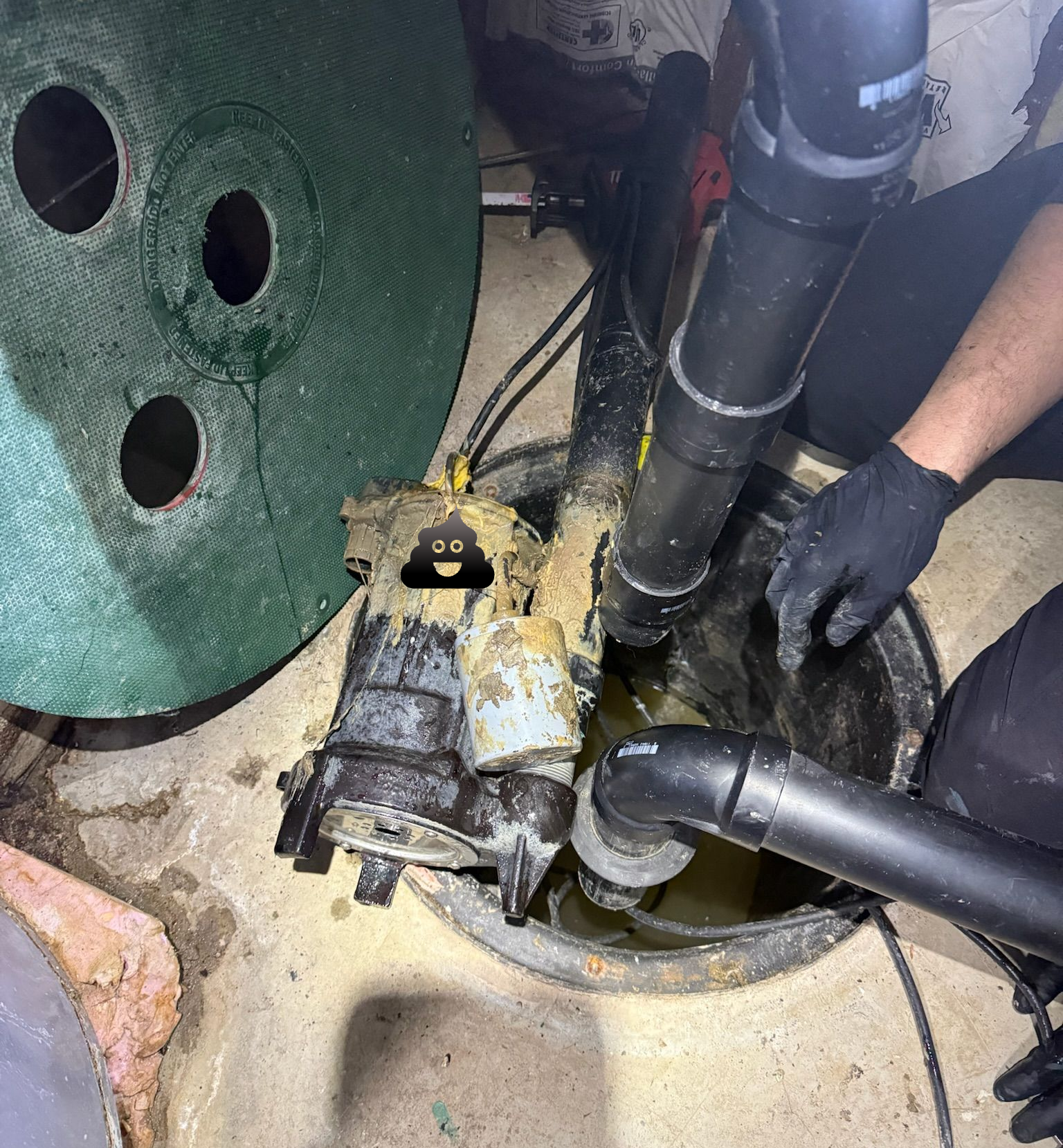
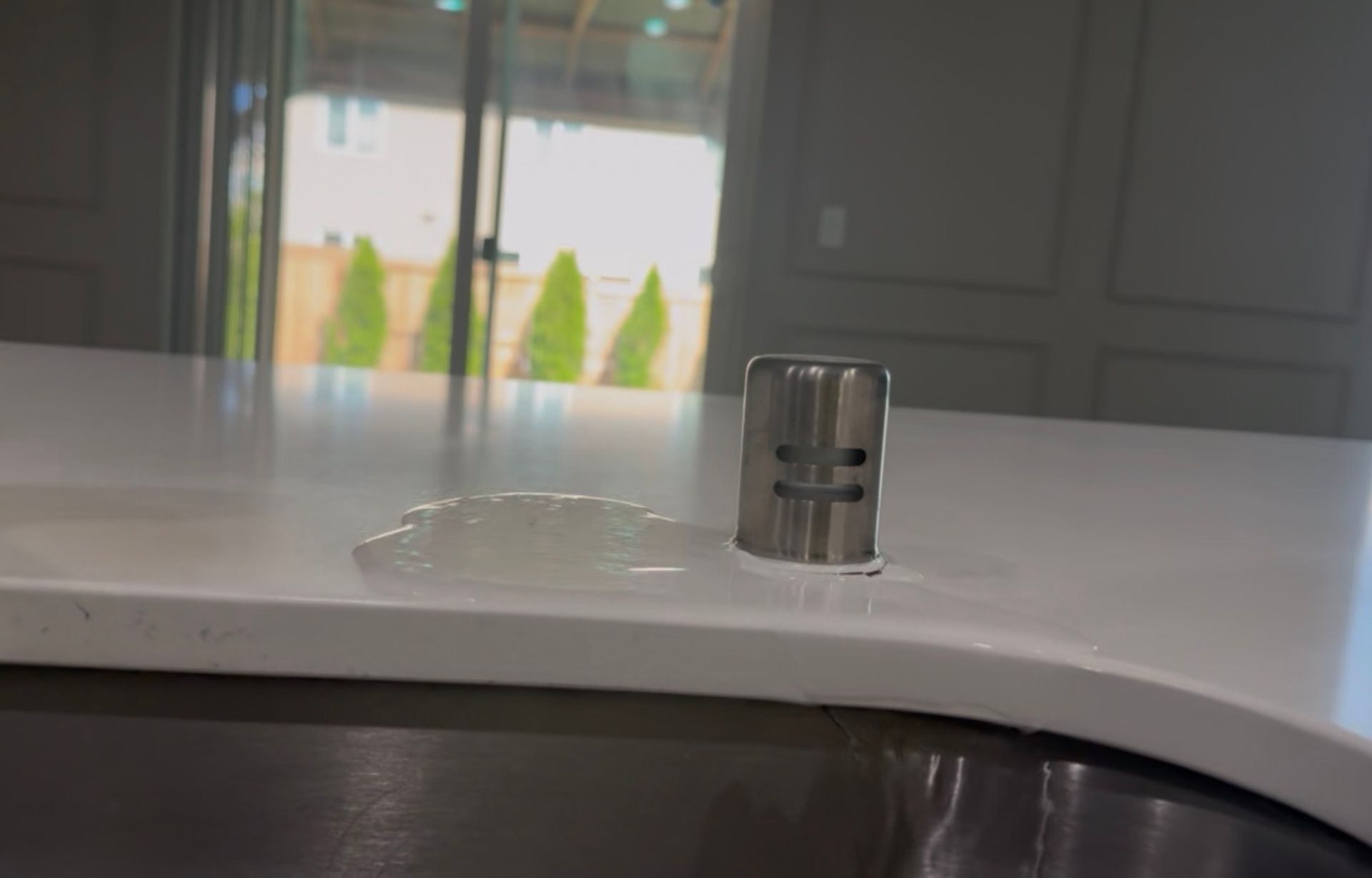
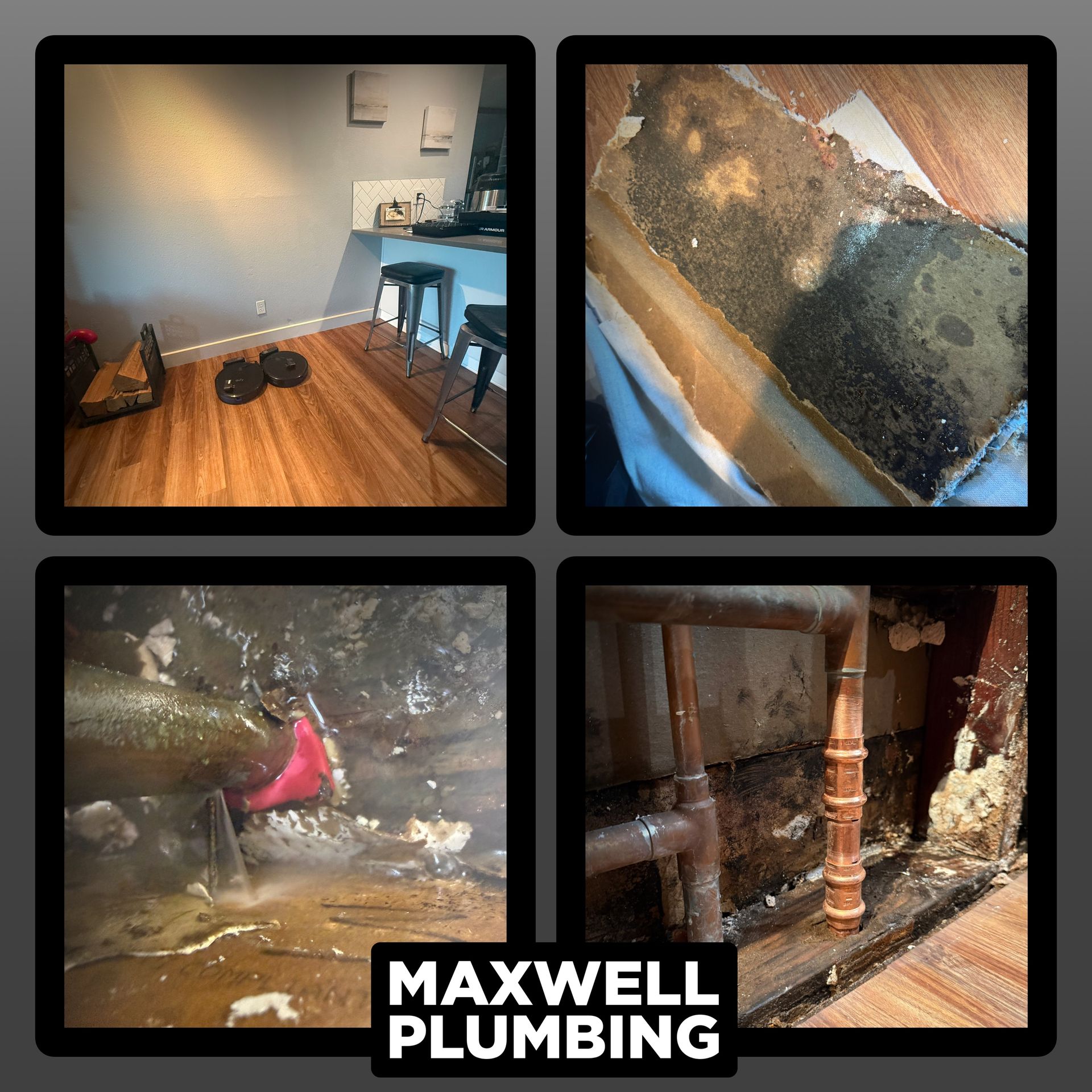
Should I Use Yelp or Thumbtack to Find a Plumber? The short answer: You can. But you may be overpaying for the process of finding one—and you might not be finding the best plumber for the job. As a plumbing company, we have a different view of lead-generation platforms like Yelp and Thumbtack than most homeowners ever get to see. We've used them. We've paid for leads. We've seen how the system works from the contractor's side. And we've also been called into homes where we're looking at plumbing work that makes us wonder: Who thought this was finished? Our issue isn't that every plumber advertising on these platforms is bad. There are undoubtedly good plumbers using them. Our issue is with what the system rewards. You're Not Necessarily Being Matched With the "Best" Plumber When you submit a plumbing problem to a lead-generation service, it can feel like you're asking the platform: "Find me a good plumber." But that's not really what's happening. These companies are middlemen. They aren't coming into your house. They aren't looking at your plumbing. They don't know whether your water heater was installed correctly, whether the plumber took shortcuts behind the wall, or whether the repair will still be working five years from now. Yet they're helping determine which companies get put in front of you. And there's an entire financial system operating behind that introduction. Your Plumbing Problem Can Become a Lead Someone Has to Buy One thing many homeowners don't realize is that contractors may be paying for the opportunity to get your job. And purchasing a lead doesn't mean getting the job. A plumbing company might pay for your lead, respond, prepare an estimate and follow up—only to have you choose someone else. Then they buy another lead. And another. Only a percentage turn into actual customers. That means contractors using this model aren't just paying to acquire the jobs they win. They're also absorbing the cost of all the leads they don't win. From a business standpoint, it can become a hamster wheel: Buy a lead. Respond immediately. Try to win one job. Lose or win. Repeat. Those costs eventually have to be accounted for somewhere. The Race to Respond First Isn't Necessarily Good for the Homeowner Technology and AI have made this even more interesting. When several contractors are competing for one person's plumbing job, there's tremendous incentive to respond fast . But think about that for a second. What does responding to an internet inquiry in 30 seconds tell you about someone's ability to install a water heater? Not much. The best plumber for your house isn't necessarily the company with the fastest automated response. Plumbing should work almost the opposite way. Understand the problem. Diagnose it correctly. Determine the proper solution. Clearly define the scope. Then price the work. When the system rewards first response, fastest close and lowest initial price, we're not convinced that's the best system for finding someone to work on your home. We've Tried Yelp Ourselves This isn't an opinion we've formed entirely from the outside. At Maxwell Plumbing, we've tried Yelp as a source of new customers. For us, the quality of the leads was subpar compared with the customers who find us through referrals, word of mouth and recommendations on social media and other local platforms. There's also a fundamental difference in those two customers. One says: "I submitted my problem online and you're one of the companies that responded." The other says: "My neighbor told me you're the plumber I should call." We'll take the second introduction all day long. That's how we want to grow our company. Look at the Work, Not Just the Stars Before hiring a plumber, spend ten minutes actually investigating the company. Go to their website. Are you looking at photographs of their actual plumbing work , employees and trucks? Or does the website look like a collection of generic stock photos and clip art? Then look at their social media. Do they show real jobs? Can you see the quality of their finished installations? Do they talk intelligently about plumbing problems and explain what they're doing? Then read their Google reviews—not just the overall rating. Read what customers actually say about the experience. Also pay attention to what the company seems most interested in selling you. Financing and maintenance plans aren't inherently bad. They can be useful tools for homeowners. But if everything seems designed to push you into a financing program, membership or sales funnel, we'd want to understand why. Look for evidence that you're hiring plumbers who care about plumbing. Be Careful With the Price That's Too Good to Be True We understand homeowners getting multiple bids. You should want good value. But there's a difference between competitive pricing and suspiciously cheap pricing. We've seen companies come in extremely low to land a project, only for the price to increase as the job progresses. Others can hit the low number by cutting corners. Neither is particularly helpful to the homeowner. For larger projects, we put significant time into our estimates. We want to describe the scope of work and clearly identify what's included and what's excluded. Sometimes that means we won't be the least expensive bid. That's okay. Our goal is to put together the most competitive price we can while still completing the job to our standards. A detailed $8,000 proposal and a vague $7,000 proposal aren't necessarily $1,000 apart. You first need to determine whether you're actually buying the same thing. So How Would a Plumber Find a Plumber? If we moved somewhere tomorrow, didn't know any plumbers and needed someone to work on our own house, here's what we'd do. We'd ask people. We'd start with neighbors or ask for recommendations in a local Facebook group. Then we'd pay attention to the names that repeatedly came up and narrow the list down to two or three companies. Next, we'd investigate them. We'd look through their websites. We'd read their Google reviews. We'd look at photos of their work and social media accounts. Then we'd contact the strongest one or two. And we'd pay attention to how they communicate. Are they responsive? Professional? Do they listen? Do they answer questions? Do they seem interested in understanding the problem—or just closing the sale? That's a much better vetting process, in our opinion, than submitting your information and seeing which company wins the race to respond. Four Generations Taught Us Something About Getting Customers We are owned by a 4th Generation Journeyman plumber. Aaron was fortunate enough to know and work alongside his great-grandfather, grandfather and father, who had their own respective plumbing companies. From an early age, he watched them solve difficult plumbing problems for people. But he learned something else too. He watched his father create what we like to think of as a vortex of happy customers. Do good work. Treat people well. Be there when they need you. Eventually, those customers don't search for a plumber every time something breaks. They already have one. And they tell their friends. Aaron also intentionally built experience outside the family businesses. He worked for large plumbing retailers, a nationwide plumbing franchise, a larger mechanical plumbing company and smaller plumbing shops. Each experience showed him different parts of the industry. But we never found the exact combination of service, value, craftsmanship and skill we thought a plumbing company should offer. So we built Maxwell Plumbing around it. We're intentionally not following some of the formulas becoming common in the plumbing industry. We'd rather earn a customer who calls us for the next 20 years than constantly pay a middleman for another opportunity to win one job. So, Should You Use Yelp or Thumbtack to Find a Plumber? You can. But understand what you're buying into. A lead-generation platform can introduce you to a plumbing company. What it can't do is replace your own judgment about whether that company deserves to work on your home. And you may ultimately be paying—indirectly—for an expensive system built around contractors purchasing and competing for individual leads. Our advice is simpler. Ask your neighbors. Ask your local community. Find the two or three plumbers people genuinely recommend. Then do your homework. Look at their actual work. Read their reviews. Look at how they present themselves. Talk to them. Pay attention to how they communicate. And don't automatically hire the company that responds first or throws out the lowest number. Find a plumber you hope you'll never have to search for again. Maxwell Plumbing is based in Camas, WA and is proud to serve our neighbors in the surrounding Vancouver, WA to Portland, OR metro area. Call us today at 360-209-4048 or book a free estimate today.