Do you know what your home's water pressure is? Here's why you should.
Water Pressure Matters
The Hidden Crucial Metric in Your Home: Why Water Pressure Matters
Think about the last time you checked the tires on your car or bike. You probably know that filling them with too much air risks a blowout, while running them too low ruins your gas mileage, destroys the rims, and makes handling dangerous. We instinctively understand that tire pressure requires a perfect balance to keep the vehicle running safely and efficiently.
Yet, most homeowners completely ignore a nearly identical system right inside their walls: their home's water pressure.
Just like vehicle tires, your home’s plumbing network is a pressurized system. Managing that pressure isn't just about ensuring a satisfying shower—it's about protecting your entire property from catastrophic failure.
What is the "Ideal" Water Pressure?
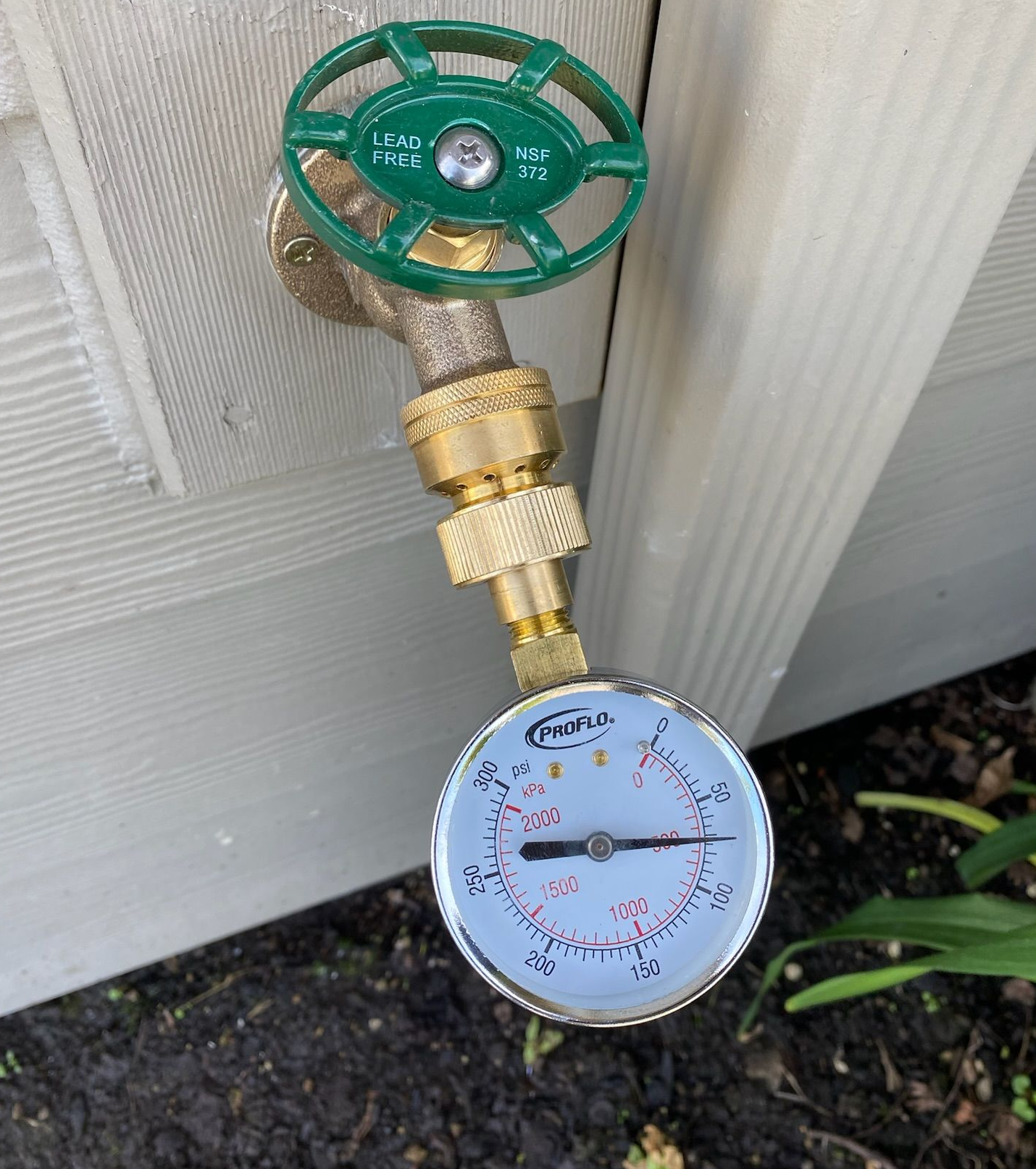
We are guessing your Dad didn't teach you about PSI in relation to your home's water pressure, but just as your car tire has a specific recommended PSI (pounds per square inch) stamped on the inside of the door, your home has a manufacturer-recommended pressure range.
For the vast majority of residential plumbing systems, the ideal water pressure is between 45 and 60 PSI.
- Under 40-45 PSI: Your water pressure is too low. You’ll notice weak trickling showers, slow-filling washing machines, and a general lack of water power.
- Over 80 PSI: You have entered the danger zone. Anything above 80 PSI puts immediate, unnecessary stress on your plumbing system and can void the warranties on appliances like water heaters and water softeners.
- 50-60 PSI is the sweetspot!
The Danger of High Pressure (The "Blowout" Risk)
When tire pressure is too high, the rubber stretches to its limit until a weak point gives way. In your home, high water pressure does the exact same thing to your pipes, joints, and appliances.
Many municipal water lines deliver water at incredibly high pressures—sometimes well over 100 PSI—to ensure it can travel across town and up into multi-story buildings. If your home is constantly subjected to this excessive municipal pressure, you are fast-tracking major plumbing disasters:
- Appliance Failure: High pressure destroys the sensitive valves inside your washing machine, dishwasher, and water heater, drastically shortening their lifespans.
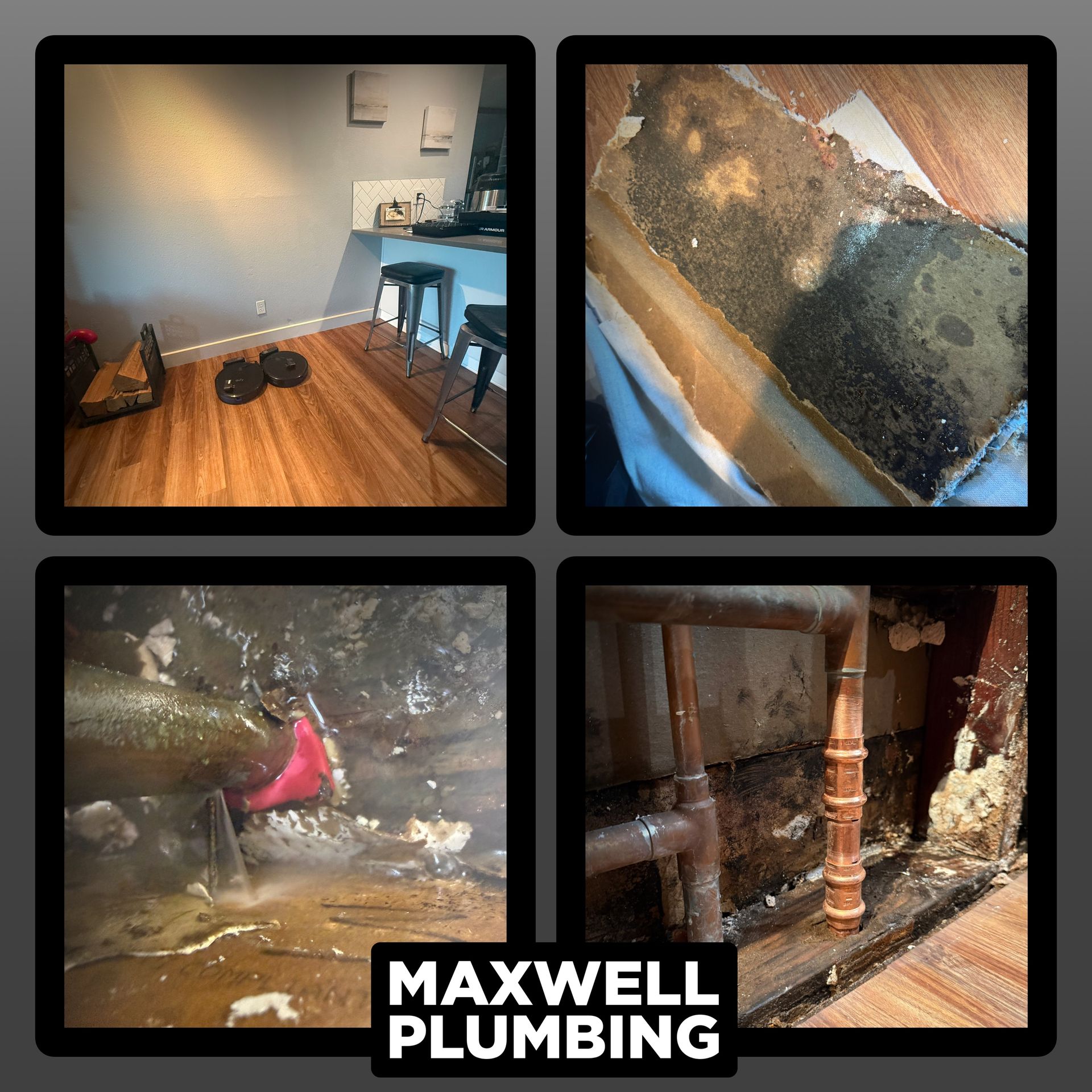
- Pinhole Leaks: Over time, the constant stress wears down copper and PEX pipes, leading to hidden leaks behind your drywall.
- Wasted Water & Money: High pressure pushes far more water through your faucets than necessary, quietly inflating your monthly utility bills.
Enter the PRV: Your Plumbing's Pressure Gauge
In a car, you use a manual gauge to check the air and let some out if it’s overinflated. In your home, this job is handled automatically 24/7 by a Pressure Reducing Valve (PRV).
A PRV is a brass fitting typically installed right next to your main water shut-off valve. Its job is simple yet vital: it takes the high-pressure water rushing in from the city street and slows it down, regulating it to that safe, ideal zone of 40 to 60 PSI before it ever reaches your faucets.
Why You Need to Maintain Your PRV
Like the tires on your car, a PRV is a mechanical device with internal springs and rubber gaskets that wear out over time. A typical PRV lasts about 5 to 12 years. When it fails, it usually fails "open," allowing that dangerously high city water pressure to flood into your home's pipes completely unnoticed until a pipe bursts or an appliance starts leaking.
On any visit, we'll check your water pressure for FREE!
You wouldn't guess your tire pressure by just looking at the rubber; you use the right tools and expertise to get it exactly to manufacturer specifications. Your home plumbing deserves the same precision.
At MAXWELL PLUMBING, we are experts in diagnosing, monitoring, and maintaining home water pressure. As a 4th-generation family business serving SW Washington and the Portland metro area, we know exactly how local municipal water systems behave and what it takes to protect your home.
MAJOR CLUES: If you are hearing a strange banging noise in your pipes (known as water hammer), noticing a sudden drop in shower pressure, or simply haven't had your PRV inspected in years, our licensed team is here to help. We can test your static pressure, inspect your current valve, and install a high-quality replacement to keep your plumbing system running safely in the ideal zone.
Don't wait for a plumbing "blowout" to take action. Contact MAXWELL PLUMBING today to ensure your home's pressure is exactly where it needs to be!
What Separates Maxwell Plumbing